


News · 08-11-2023
Mycoplasma Alert!
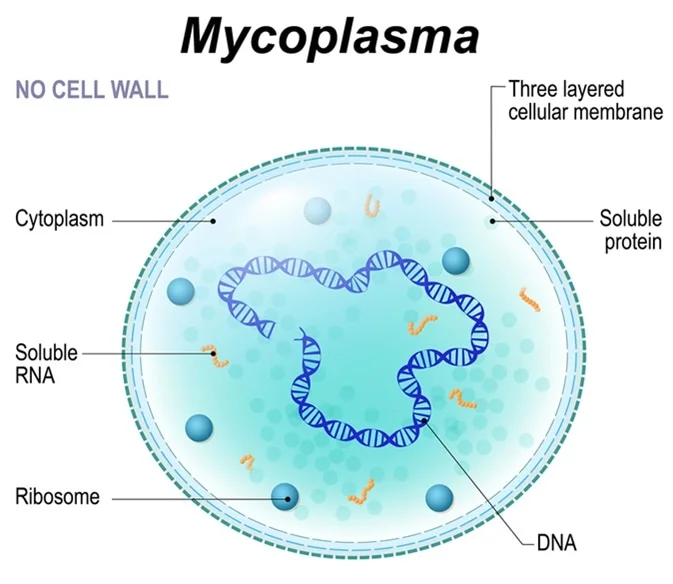
The last year we have seen a remarkable number of turtles infected with a Mycoplasma spp. bacteria. Unfortunately, this bacterium is ANTI-BIOTIC resistant. Once a turtle or other reptile is infected, it will always remain a carrier and can infect other animals. The same thing we see with Herpes infections, however, this is a virus in which antibiotics do not work, often these animals die because of all the complications of an outbreak of Herpes or Mycoplasma.
Many incoming turtles, found or purchased in a store, marketplace or at fairs, we see strikingly many sick Mycoplasma animals. Research has shown that the bacterium is common in food animals such as mice and rabbits. Traders and wholesalers do not always take care of hygiene, which makes it easy for Mycoplasma to be transmitted from food animals to reptiles, or from reptile to reptile. New animals from breeders are usually not tested, a reliable PCR test for herpes / mycplasma quickly costs 75 euros per animal ex consultation, financial reason enough that no attention is paid to this.
Animals in which the Mycoplasma bacteria flare up have thick swollen eyes, swollen tongue, saliva and residue in the mouth and often lack of oxygen due to lung problems. It is important to keep a close eye on your own animals and to intervene quickly when these symptoms occur. Then contact a specialized veterinarian immediately. After antibiotic treatment and supportive medication, an animal can heal, but the bacteria always remains latent. As soon as the resistance of the animal decreases, such as stress, hibernation, transport / relocation, poor keeping, poor nutrition, etc., the bacteria will flare up again and the symptoms will become visible again.
It is always wise to know that you have a Mycoplasma positive animal, or even that you have a whole group. Have the weak animals PCR tested for Mycoplasma and Herpes. This combitest is cheaper than single, but often herpes also occurs in Mycoplasma animals. Mycoplasma and Herpes do not spread easily through the air but that can happen when the animal coughs or sneezes, most infections occur through direct contact such as saliva, feces, urine or through used materials such as feed and drinking bowls and not to mention infected food animals!
Prevention is better than cure! Always have new animals tested, keep new animals in quarantine until the results are known. Do not breed with animals that have Mycoplasma! Work very hygienically and disinfect with a chlorine containing agent such as VIRKON S. Be careful with food animals or ask the supplier for information on diseases and testing policies. If you want to trace the source of your infection, you can also have a PCR test done on food animals.